 Shuttering Material
Shuttering Formwork
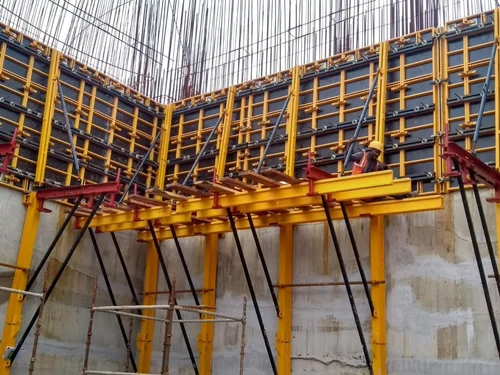
We are specialized Shuttering Formwork Manufacturers in Bharuch, providing formwork solutions used to temporaril...
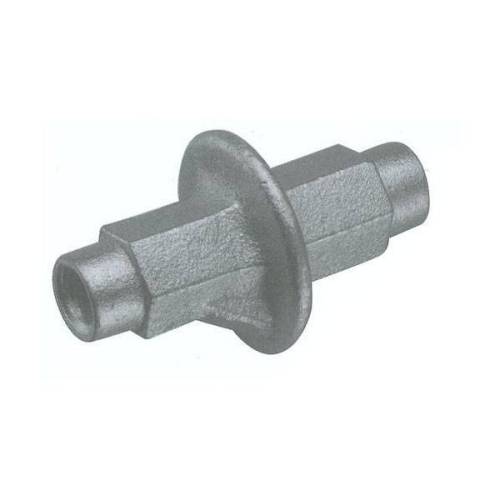
View ProductGujarat Industrial Corporation provides construction components for projects that require dependable solutions for concrete, shuttering, and formwork applications. Shuttering Water Stopper Manufacturers in Bharuch offer products that are used to help control water movement through concrete joints and vulnerable areas of a structure. These components can become an important part of construction planning where moisture exposure, water pressure, or underground conditions need to be considered during concrete work. Proper product selection, positioning, and installation can contribute to better joint protection and support the service life of concrete structures.
Concrete structures frequently include construction joints where two separate concrete sections meet. These areas may require additional protection because gaps or discontinuities can create possible paths for water penetration. A suitable water stopper can be incorporated into the joint during construction to create a barrier against water movement.
Such products can be considered for residential, commercial, industrial, and infrastructure projects. Their application depends on the structural design, type of joint, concrete arrangement, and level of water exposure expected at the site.
For projects in Bharuch, construction professionals can assess the joint conditions and select a suitable solution according to the technical requirements of the structure.
Gujarat Industrial Corporation also serves as Shuttering Water Stopper Suppliers in India, supporting requirements from builders, contractors, infrastructure companies, engineering firms, and industrial project teams. Water stopper solutions can be considered for several concrete construction applications where preventing or reducing water passage through joints is necessary.
Typical applications may include:
The specific product and installation approach should be determined according to the project design and site conditions.
Construction joints need careful planning because they can become vulnerable points within a concrete structure. A water stopper is positioned within the joint to create a continuous barrier that helps restrict the movement of water.
During installation, maintaining the correct position is important. Reinforcement, shuttering, and concrete placement should be carried out without unnecessarily disturbing the stopper. Proper alignment can help ensure that the component remains within the intended joint location after the concrete has been placed.
The selection process may involve reviewing joint dimensions, concrete thickness, water exposure, construction methodology, and the requirements specified by the project team.
Bharuch has a diverse construction environment involving industrial facilities, commercial developments, infrastructure, and other concrete-based projects. Many such structures can involve foundations, underground areas, retaining structures, or water-related installations.
A water stopper can be incorporated into suitable construction joints as part of a broader approach to concrete joint protection. It works alongside other construction practices rather than replacing proper waterproofing, concrete quality, joint preparation, or installation procedures.
For contractors and project teams, evaluating the conditions at the construction site can help determine where water-stopping components are required and which specifications are appropriate.
Water-stopping requirements can often be planned alongside other shuttering and formwork components. Gujarat Industrial Corporation provides access to related categories that can be considered for different construction requirements.
These include Shuttering Material, Shuttering Accessories, Shuttering Clamp, Shuttering Tie Rod, Shuttering Plate, Shuttering Formwork, and Formwork System.
These categories cover different requirements associated with preparing, assembling, supporting, and maintaining shuttering arrangements during concrete construction. Depending on the project, contractors may require several of these components together to create an appropriate formwork setup.
The selection of a water stopper should be based on the conditions in which it will be installed. Important considerations may include the type of concrete joint, expected water pressure, concrete thickness, joint movement, installation method, and surrounding environmental conditions.
Project teams should also consider how the product will be positioned in relation to reinforcement and shuttering. Correct placement during construction is important because movement or displacement during concrete pouring can affect the intended joint arrangement.
For industrial and infrastructure projects, technical specifications should be reviewed before finalizing the required product.
Gujarat Industrial Corporation caters to construction requirements involving shuttering, formwork, and associated components. Water stopper solutions can be considered for projects where concrete joints require additional measures to control water penetration.
From industrial facilities in Bharuch to infrastructure projects in other parts of India, product requirements can vary considerably. Understanding the application, joint configuration, and construction method allows project teams to select components that are appropriate for their specific work.
Shuttering Material
We are specialized Shuttering Formwork Manufacturers in Bharuch, providing formwork solutions used to temporaril...
View Product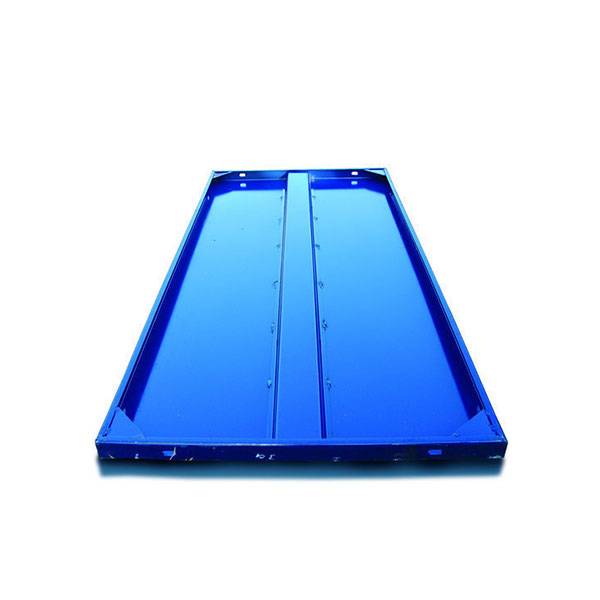 Shuttering Material
We are reputed Shuttering Plate Manufacturers in Bharuch, offering fabricated steel plates used in concrete form...
View Product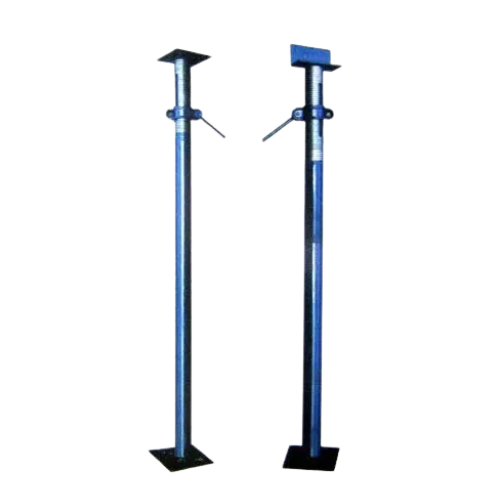 Shuttering Material
Construction and formwork projects often require temporary support systems that can accommodate different workin...
View ProductIt is generally used to help restrict water movement through selected concrete joints. In Bharuch, it can be considered for basements, foundations, retaining structures, tanks, and other concrete applications exposed to moisture.
Water stoppers can be considered for reservoirs, swimming pools, underground structures, sewage facilities, water tanks, industrial buildings, and other concrete structures across India where joint water protection is required.
Its positioning depends on the joint design and construction method. It is generally placed at the designated joint location and maintained correctly while reinforcement, shuttering, and concrete placement are carried out.
They can be used in suitable industrial concrete applications where controlling water penetration through construction joints is part of the project requirements. Product selection should follow the project's technical specifications.
Depending on the construction method, a project may also require shuttering material, clamps, tie rods, plates, accessories, or complete formwork components to support the concrete construction process.