 Shuttering Accessories
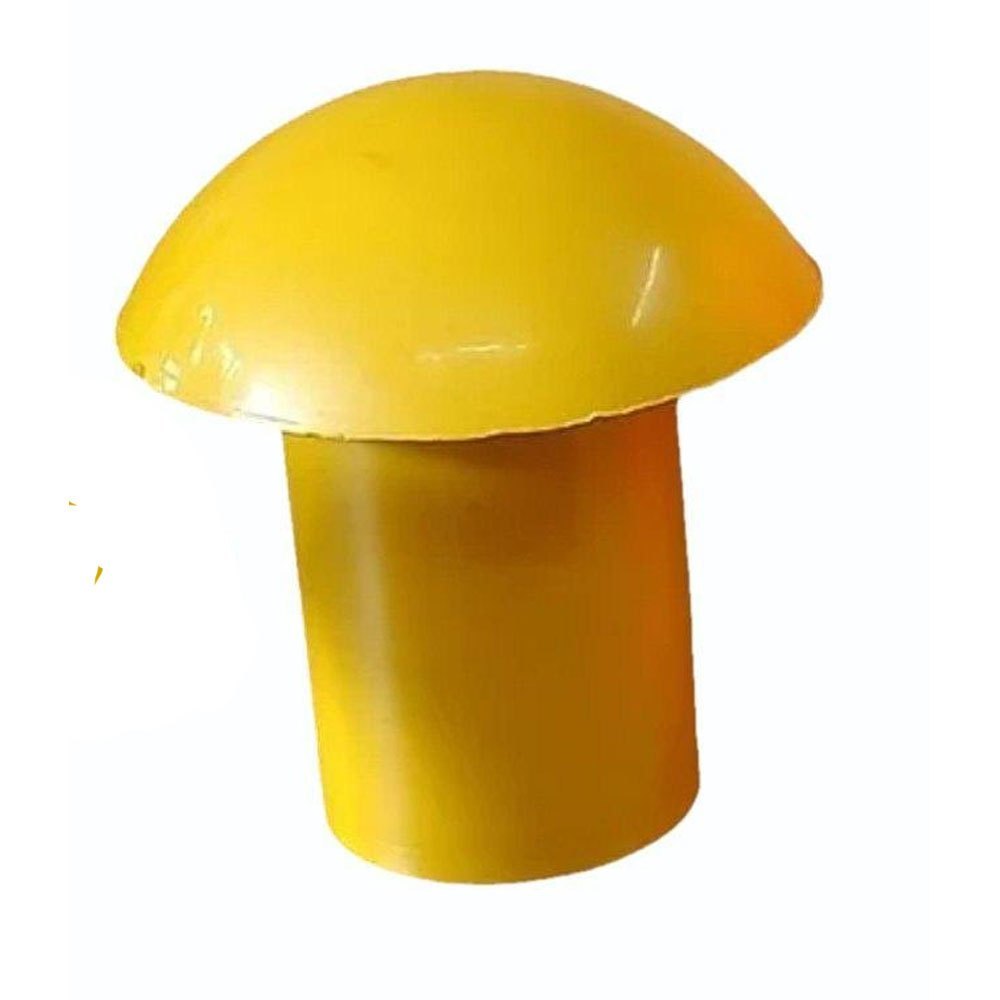
Rebar Cap
Construction sites often have exposed reinforcement bars that can create safety concerns when left unprotected. ...
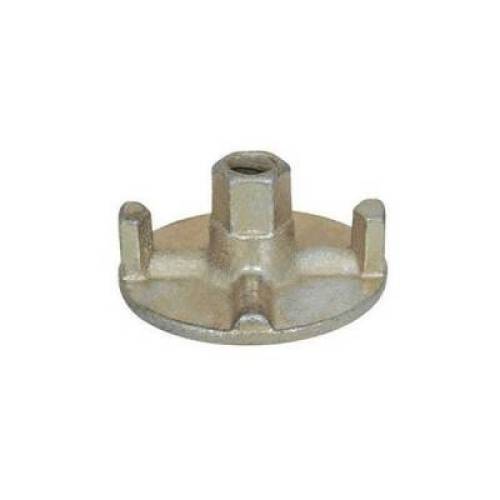
View ProductAnchoring and fastening components play an important role in construction work where structural members, formwork arrangements, and other components need secure connections. Anchor nuts are used with compatible threaded or anchoring systems to provide a fastening point for different construction applications. Anchor Nut Manufacturers in Bharuch cater to projects that require appropriately sized and properly finished nuts for anchoring and structural fastening requirements.
Gujarat Industrial Corporation supplies construction-related components for contractors, builders, infrastructure companies, and industrial projects. Anchor nuts can be selected according to the associated anchor, thread specification, installation method, and requirements of the intended application.
Construction projects often require fastening components in different sizes and configurations. Anchor Nut Suppliers in India can support procurement requirements for contractors, fabricators, engineering companies, and project teams working on construction and industrial applications.
The performance of an anchor nut depends on its compatibility with the corresponding threaded component. Before purchasing, users should consider thread dimensions, material, installation conditions, and the type of connection for which the nut is intended.
An anchor nut forms part of a fastening arrangement rather than functioning as an isolated component. When paired with a compatible threaded anchor or fastening system, it can help secure a component in its intended position.
Depending on the application, anchor nuts may be required for:
The exact use depends on the design of the anchoring system and the specifications of the project.
Different projects can have different fastening requirements. Selecting the appropriate nut requires attention to several technical and practical factors.
The nut should match the thread profile and dimensions of the corresponding anchor or threaded rod. Proper matching helps achieve smooth engagement and an appropriate connection.
The material should be suitable for the working environment. Construction and industrial locations may expose fastening components to moisture, dust, chemicals, or outdoor conditions, depending on the project.
Consistent dimensions are important for proper fitting. Procurement teams should verify the required size before ordering larger quantities for a construction project.
The installation method should also be considered. Some applications may require specific tightening procedures or tools to achieve the desired connection.
Bharuch has substantial industrial, commercial, infrastructure, and construction activity, creating demand for a wide range of fastening and support components. Anchor nuts can be considered wherever compatible anchoring arrangements are required as part of construction or installation work.
Their use can extend to fabrication areas, structural assemblies, equipment-support applications, and construction projects where threaded anchoring components form part of the overall installation.
For projects involving temporary construction systems, related categories such as Shuttering Tie Rod, Shuttering Clamp, Shuttering Plate, and Shuttering Accessories may also be required depending on the work being carried out.
An anchor nut should always be selected as part of the complete fastening arrangement. The anchor type, thread size, connection dimensions, and installation conditions should be checked before procurement.
For larger projects, maintaining consistency across fastening components can simplify installation and replacement. Using compatible components also reduces the likelihood of delays caused by mismatched threads or incorrect dimensions.
Project teams can maintain separate stock according to size and specification so that workers can quickly identify the required components during installation.
Proper storage can help keep nuts and other small fastening components organized. They should preferably be stored according to size, type, and specification so that different components do not become mixed during construction activities.
Before use, workers can check for visible damage, damaged threads, corrosion, or other conditions that could affect fitting. Components that do not meet the required condition should be separated from usable stock.
For frequently used construction hardware, systematic inventory management can also help procurement teams maintain adequate availability throughout a project.
Anchor and fastening components are often required alongside other construction products. Depending on the project design, contractors may also need Scaffolding Props, Scaffolding Pipes, Scaffolding Material, Formwork System, Shuttering Formwork, and Scaffolding Fittings.
These products serve different purposes across temporary works, access arrangements, structural support, and formwork operations. Selection should always be based on the technical requirements of the individual project.
Anchor nuts are relatively compact components, but their compatibility can have a direct impact on the effectiveness of an anchoring arrangement. Correct thread matching, suitable material, appropriate dimensions, and proper installation practices are important when selecting these components.
For construction and industrial projects in Bharuch, procurement teams can assess anchor nuts according to the associated fastening system and working environment. Careful selection and organized storage can help maintain smoother installation activities and reduce avoidable component mismatches.
Shuttering Accessories
Construction sites often have exposed reinforcement bars that can create safety concerns when left unprotected. ...
View Product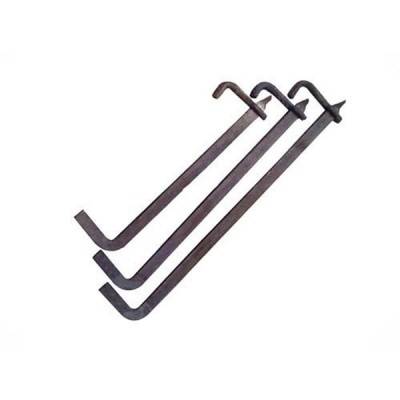 Shuttering Accessories
We are experienced Shuttering Clamp Manufacturers in Bharuch, providing metal clamping components used to hold a...
View Product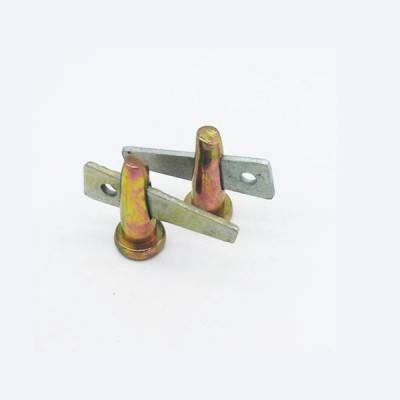 Shuttering Accessories
Shuttering systems depend on properly fitted components to keep panels, plates, and supporting arrangements in p...
View Product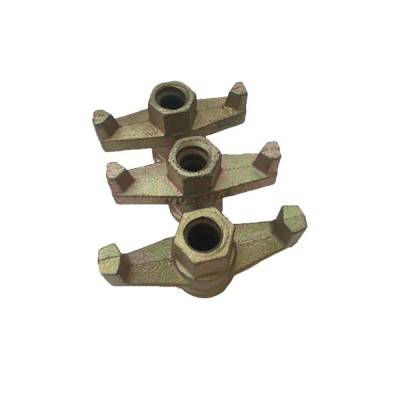 Shuttering Accessories
Formwork assemblies require dependable fastening components to hold different shuttering elements together durin...
View Product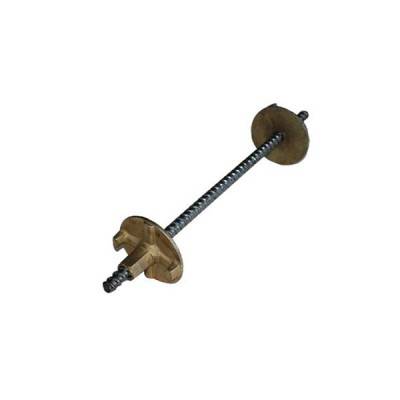 Shuttering Accessories
We are specialized Shuttering Tie Rod Manufacturers in Bharuch, providing threaded steel tie rods used in shutte...
View Product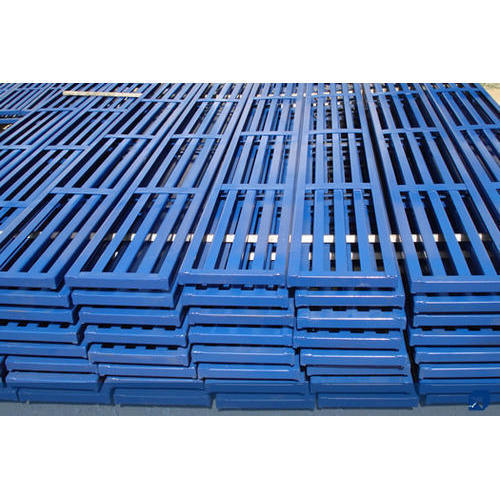 Shuttering Accessories
We are reputed Scaffolding Planks Manufacturers in Bharuch, offering practical walkway and platform solutions fo...
View ProductAnchor nuts are used with compatible anchoring or threaded systems for fastening applications across construction, fabrication, structural, and industrial projects in Bharuch.
The required size should be determined from the corresponding anchor or threaded component, including its thread dimensions and specifications.
They can be considered for outdoor applications when the nut's material and finish are suitable for the environmental conditions of the project.
Users should check thread compatibility, dimensions, visible condition, installation requirements, and whether the component is appropriate for the intended anchoring arrangement.
They should be kept organized by size and specification in a suitable storage area, protected from unnecessary moisture, contamination, and mixing with incompatible components.