Scaffolding is used across a wide range of construction and industrial applications. However, selecting scaffolding materials should not be based only on availability or price. The requirements of each project can vary depending on height, load, working conditions, structure design, and duration of use.
Choosing compatible and suitable components is important for creating a properly organized scaffolding arrangement. Gujarat Industrial Corporation offers various scaffolding materials and accessories for construction and industrial requirements.
Understand the Project Requirements
The first step is to understand what the scaffolding will be used for. A system required for façade work may have different requirements from one used for maintenance, industrial construction, painting, or heavy-duty structural work.
The expected working height, platform arrangement, number of workers, material movement, and duration of the project should be considered before selecting components.
Having a clear understanding of the application makes it easier to identify suitable scaffolding products.
Consider the Required Components
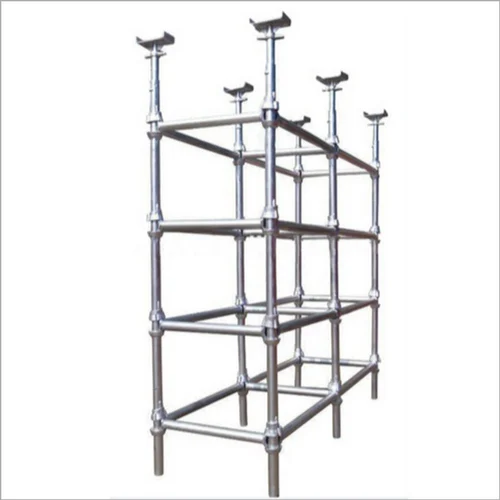
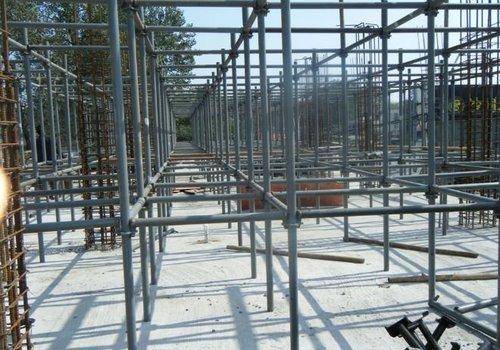
A scaffolding structure normally consists of several components that work together. Depending on the system, these may include pipes, verticals, ledgers, couplers, clamps, base jacks, U-head jacks, props, planks, and other accessories.
For example, scaffolding couplers are used to create connections between compatible structural members. Adjustable jacks can assist with supporting and leveling certain scaffolding arrangements.
Selecting components individually without considering their compatibility can create installation challenges. It is therefore useful to plan the complete arrangement rather than focusing on a single product.
Check Material Condition and Quality
The physical condition of scaffolding components is an important consideration, particularly when products are being reused.
Components should be inspected for visible damage, excessive corrosion, deformation, cracks, worn connection areas, or other conditions that could affect their intended use.
New materials should also be sourced from manufacturers or suppliers that can provide products appropriate for the intended application.
Routine inspection and proper storage can help extend the usable life of scaffolding components.
Think About Load Requirements
Different construction activities can place different loads on a scaffolding structure. Workers, tools, equipment, and materials may all contribute to the overall load.
The scaffolding arrangement should therefore be planned according to the applicable load requirements and engineering specifications. Platforms should not be overloaded beyond their designed capacity.
This consideration becomes particularly important for projects where substantial materials need to be positioned near elevated working areas.
Consider Installation and Dismantling
A practical scaffolding solution should also allow the construction team to assemble, modify, and dismantle the arrangement in an organized manner.
The layout should provide appropriate access while allowing workers to carry out required activities without unnecessary obstruction. Components should be handled carefully during installation and dismantling to avoid damage.
Proper training and adherence to site safety procedures are essential throughout these activities.
Select a Suitable Supplier
The supplier plays an important role in ensuring that the required components are available in suitable specifications and quantities. A supplier with experience in scaffolding and formwork products can help customers identify products based on their project requirements.
Gujarat Industrial Corporation provides scaffolding and formwork solutions including scaffolding couplers, scaffolding towers, adjustable props, walkway planks, scaffolding accessories, shuttering plates, and other construction materials.
Ultimately, selecting scaffolding materials requires a combination of project planning, component compatibility, quality inspection, load considerations, and proper installation practices. By evaluating these factors before procurement, construction teams can develop a more organized scaffolding setup suited to their specific requirements.